

List of Ziyarat Places in Madinah
Madinah is the second holiest city in Islam, after Makkah. Ziyarat in Madinah refers to visiting places associated with Islamic history. It helps pilgrims reflect on faith and brings a deep sense of peace.
Here is a complete list of the most important Ziyarat sites to visit in Madinah during your Umrah.
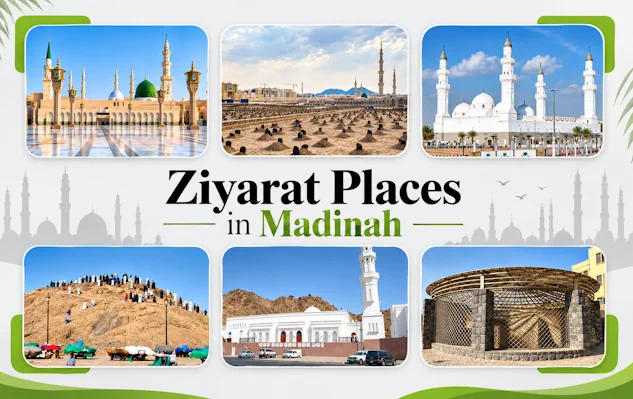
1. Masjid an-Nabawi
Masjid al-Nabawi also known as Mosque of the Prophet is the heart of Madinah. It is one of the holiest mosques in the world. The Prophet Muhammad (PBUH) built this mosque after migrating to Madinah.
Inside the mosque lies the Rawdah Mubarak, a small area between the Prophet’s (PBUH) house and his pulpit. It is one of the most sacred places for prayer. The mosque also houses the tombs of Prophet Muhammad (PBUH), Hazrat Abu Bakr, and Hazrat Umar.
Millions of pilgrims visit Masjid Nabawi to pray, make dua, and send salutations to the Prophet Muhammad (PBUH). The mosque is always peaceful, and the atmosphere inspires reflection and devotion.
2. Jannat al-Baqi
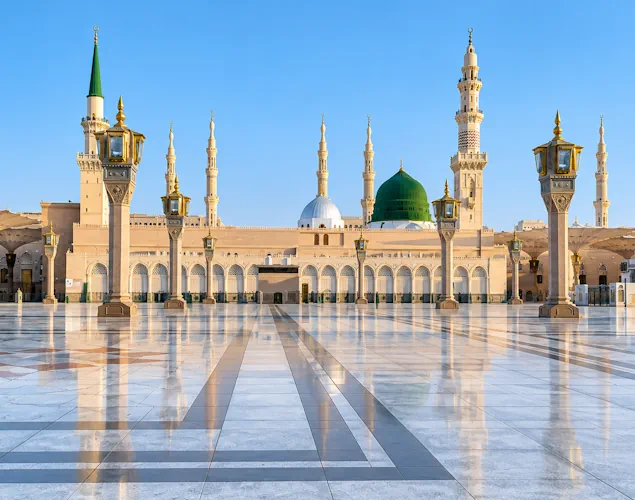
Jannat al-Baqi is the main cemetery in Madinah. It is also called the Garden of Heaven. It is located near Masjid an-Nabawi. Many family members and companions of Prophet Muhammad (PBUH) are buried here.
Hazrat Fatimah, the daughter of the Prophet, and several companions rest in Jannat al-Baqi. Pilgrims visit to make dua for the deceased. The visit reminds everyone of the temporary nature of life and the importance of faith.
The cemetery is quiet and respectful. Visitors usually offer prayers and reflect on the lives of those buried here.
3. Masjid Quba
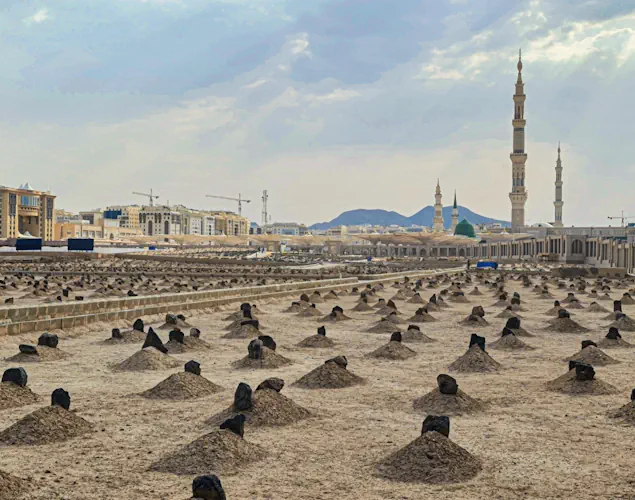
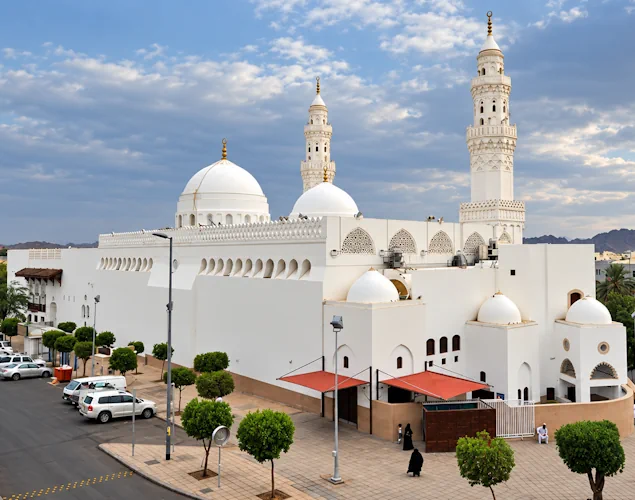
Masjid Quba is the first mosque built in Islam. The Prophet Muhammad (PBUH) stayed here for a short time after moving to Madinah. Praying at Masjid Quba brings great reward. Many pilgrims visit to offer two raka’ahs of prayer. The mosque is simple and very beautiful. Its white walls and open courtyard create a peaceful place for reflection.
Visiting Masjid Quba lets pilgrims connect with early Islamic history. It is a chance to follow the footsteps of the Prophet (PBUH) and feel close to his life in Madinah.
4. Masjid al-Qiblatain
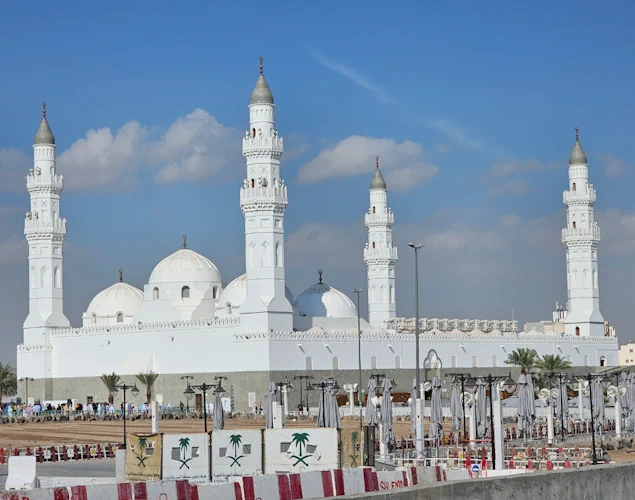
Masjid al-Qiblatain, or the Mosque of the Two Qiblas, is a very important site in Madinah. This is where Prophet Muhammad (PBUH) received the command to change the direction of prayer from Jerusalem to the Kaaba in Makkah.
The mosque originally had two mihrabs, one for each Qibla. Today, only the mihrab facing the Kaaba remains. It is a key site for pilgrims performing Zayarat.
Visitors come to see this historic mosque and learn about the early days of Islam. The mosque is calm and respectful. Many people offer prayers and reflect on the significance of the Qibla change.
5. Jabal Uhud (Mount Uhud)
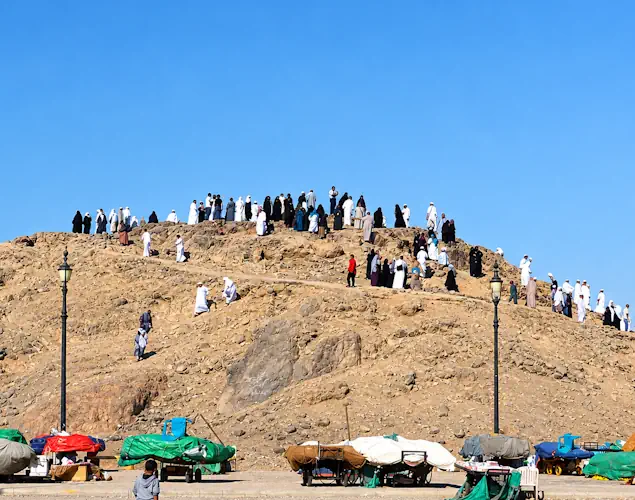
Jabal Uhud, also known as Mount Uhud, is a renowned mountain located near Madinah. It is known for the Battle of Uhud between Prophet Muhammad (PBUH) and the Quraysh. Although the Quraysh claimed victory, the Prophet (PBUH) survived, and Islam continued to thrive.
Many companions of the Prophet (PBUH) are buried at the base of the mountain, including Hazrat Hamza. Visiting Jabal Uhud allows pilgrims to reflect on the courage and sacrifice of these early Muslims.
The mountain is large and steep, but pilgrims often climb a little to see the battlefield and the graves. It is a place to remember the sacrifices made for Islam and to reflect on patience, faith, and devotion.
6. Seven Mosques
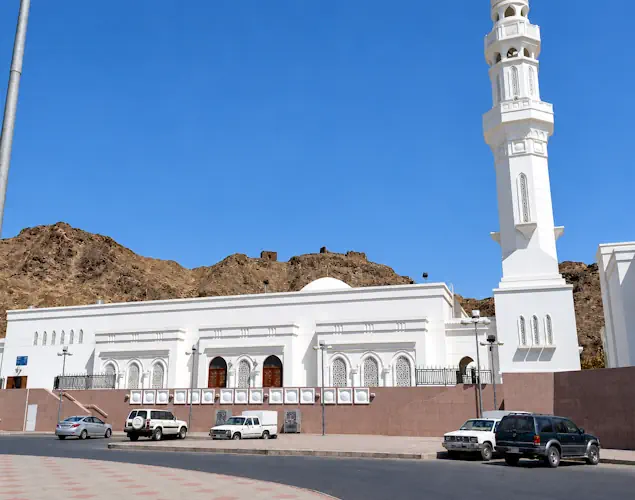
The Seven Mosques are a group of small historic mosques near Madinah. They are linked to the Battle of the Trench. Muslims dug trenches around these mosques to protect Madinah from the Quraysh army. The mosques show the strategy and unity of the Prophet Muhammad (PBUH) and his companions.
The mosques include Masjid Salman al-Farsi, Masjid al-Fath, Masjid Ali bin Abu Talib, Masjid Umar bin Khattab, Masjid Sa’ad bin Mu’adh, Masjid Abu Bakr al-Siddiq, and Masjid Fatimah Az-Zahra. Pilgrims visit each mosque to learn its story and reflect on the lessons of faith and courage.
7. Bir al-Ghars (Gharas Well)
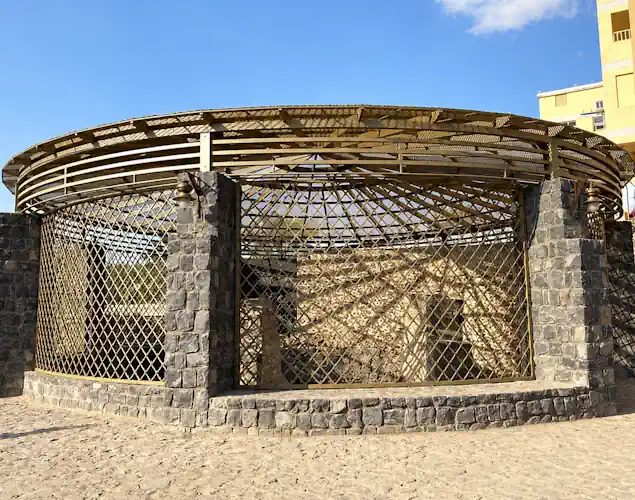
Bir al-Ghars, also called Gharas Well, is an important Zayarat site in Madinah. The Prophet Muhammad (PBUH) drank from this well and used its water for Wudhu. It is also believed that he requested to be bathed with its water after his passing.
The site has been renovated recently. It has a small mosque to the north. There is also an outer enclosure and a sabil. The area is clean and easy for pilgrims to visit and reflect. Pilgrims come here to remember the simple life of the Prophet (PBUH) and to feel gratitude for blessings like water and nature.
8. Garden of Salman Farsi (Date Garden)
The Garden of Salman Farsi is a historic site in Madinah. It is linked to the companion Salman al-Farsi, may Allah be pleased with him. He was the first Persian to accept Islam.
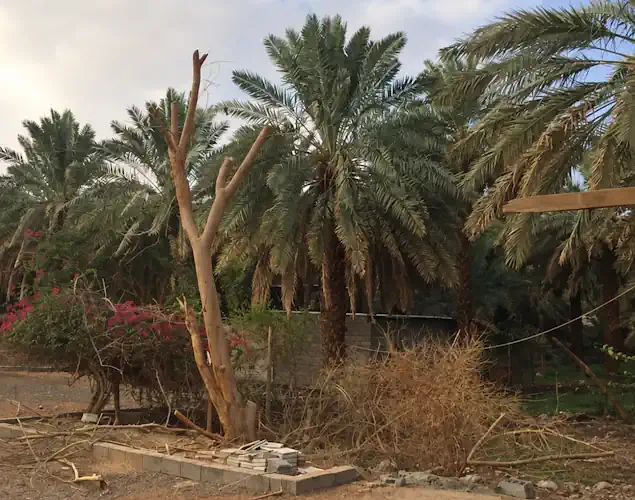
The garden was planted by the Prophet Muhammad (PBUH) and his companions. It has 300 date palms and a freshwater well. Visiting the garden is peaceful. Pilgrims can see the farm, drink from the well, and buy dates.
How Can I Visit These Ziyarat Places in Madinah?
You can easily visit Ziyarat places in Madinah with International Hajj. Just share your travel dates by filling out our form, calling us, or emailing us. Call now: (212) 967-9797 or email: info@internationalhajj.com. We provide private transport to visit these places at affordable rates. If you book Umrah with us, you will get Ziyarat for free.
Final Words
Madinah Zayarat offers a deep spiritual experience. Visiting these sacred sites connects pilgrims to Islamic history. Each mosque, cemetery, and mountain has its own story and lesson.
By visiting Masjid an-Nabawi, Jannat al-Baqi, Masjid Quba, and other sites, pilgrims gain insight into the life of the Prophet (PBUH) and his companions. Zayarat helps Muslims strengthen their faith and feel closer to Allah.
A trip to Madinah is not just about travel. It is about reflection, prayer, and learning. Every site visited brings peace, understanding, and a stronger connection to Islam.